In recent years, the wonderful ritual of afternoon tea has seen an enthusiastic revival of interest. If you’ve got the time, it’s the best meal of the day, after breakfast (a meal best eaten in bed I feel).
Ideally, you want to be able to sit down to afternoon tea in someone’s home for a good leisurely natter. There should be a teapot! Now a scandalously under-used item. You also ought to have a milk jug, a sugar bowl, some tea-cups and saucers, and side plates to hold cake. Cake is another essential.
But if you’re working, and far from home, this can be an impossible treat to pull off. I’ve got four tea place recommendations, personally experienced around the world, to suggest to the working tea drinker.
Years ago, when I was a student, I took a job in the long summer break teaching English to foreign students on a residential course at The Kings School in Ely. Within the early moments of my arrival, old hands were telling me about the superb afternoon tea to be had a stone’s throw away at The Old Fire Engine House. They weren’t wrong.
There was a selection of teas to choose from, fantastic home-made cake which is de riguer for any self respecting tea room but most special of all Gentleman’s Relish. It was the first time I’d ever had gentleman’s relish and you have to be an anchovy lover to appreciate it. Home-made at the Fire Engine, and thinly but effectively spread on crunchy slices of also home-made wholemeal bread, it was a leisurely and unforgettable experience.
Thanks to the internet, I discover that this tea-place is still there and thriving. They are now open in the evening for what looks to be delicious food.
If you're in Ely, Cambridgeshire, don't go anywhere else for tea.
A decade or so later, and my life is very different. No real time for afternoon tea any more, and during a three-month contract working in New York, no decent tea to be found. I know Starbucks does tea, and I did develop a taste for their iced Chai with soya milk, but it’s not the same.
I drink coffee more than I drink tea so you wouldn’t have thought it mattered. But something to do with home-sickness crept in and even though I was having an exciting time filming round New York, jumping in and out of yellow taxi cabs with my camera crew, I was becoming desperate for a real cup of tea.
I thought I’d solved my problem when I discovered a twee teashop on the Upper West Side. I sat down ordered tea and cake but was bitterly disappointed. It was the usual problem of tea abroad, it’s made by Liptons, a brand I’ve never seen on sale in the UK, the water used is never hot enough, the tea is then really weak so you taste the water and the milk is all wrong: terrible cup of tea. I left depressed and more homesick than ever.
Eventually, risking ridicule with the Aussie sound recordist, of being called a whingeing pom, I moaned. I thought he’d understand better than the cameraman, a native New Yorker. Why hadn’t I moaned sooner!
He said don’t panic, you need Tea and Sympathy. I certainly do, I said. And that’s what I got.
Tea and Sympathy is a tea room come café (in the British sense) where it’s possible to get proper tea, baked beans, marmite and other British delicacies the rest of the world doesn’t understand.
I rushed in there between filming assignments and asked for the largest mug of tea they could manage, sadly to go. And it was good.
I’ve had many other tea experiences abroad since then, but another stands out because of the location and the company… and the tea was pretty good too.
Arriving in Mexico City, with two Venezuelan researchers, from sea level Miami, I and they were hit by altitude sickness. Mexico City is dizzingly high up. The first time you go there, it will take you a minimum of three days for your body, and your blood stream, to adjust. My Venezuelan research team advised caution. No rushing around, no trying to do too much. We should take it easy, see the sights, not walk too far and sit down a lot. South Americans are very wise.
We carefully walked out of the hotel and headed for the Zocalo, the main square in Mexico City where the remains of an Aztec temple lie beneath your feet and a huge cathedral built by the conquering Spaniards exists at one end. By the time we got there we all felt weird. I said I needed tea.
One researcher declared that the best place to have tea was the Palacio de Bellas Artes. He would be honoured to take us there, and it would be an important personal experience for him, to take tea, with a real English-woman in the stunning tea room there. Off we staggered.
He was right. If you are ever in Mexico City go to the Palacio de Bellas Artes. It’s a fascinating Art Deco arts centre, full of the usual graphic motifs of that era combined with unique, and rather strange to European eyes, Mexican/Aztec touches in the architecture both inside and out. It’s walls are home to some great murals by Diego Rivera and Orozco. It was a place I used to telephone during my very first research job in telly, to get transparencies of those murals for a BBC arts documentary series called The Buried Mirror, presented by the great and very gracious Mexican, Carlos Fuentes.
We had a cup of tea and some cake. My Venezuelan researcher firmly reiterated my instructions to the waiter that the water must be boiling, piping and painfully hot before being poured over the tea bag. When the tea arrived and we all drank, my researcher nodded sagely and contentedly. His experience was complete. I, the English-woman had been absolutely right, tea had to be made in this way with the very hottest of water to be found. I didn’t have the heart to tell him I'm actually of Spanish/Scottish origin nor go into teapot details and the milk first or milk second debate. Then we had another cuppa. Unforgettable.
And finally, back to the city of my birth, lovely London town where a cup of tea is never hard to find. You can have afternoon tea in any number of posh London hotels, where they will do the works for you, no instructions required, with bells on. Or department stores, or little greasy spoon cafes (some still exist). Starbucks still doesn’t manage a great cup of tea in London though it is better than their New York effort.
So who to suggest here.

Peyton and Byrne is a tea shop that has a number of branches which cleverly give you all the old fashioned virtues of a good cup of tea and fantastic cake with a freshened up contemporary brand. You can also have coffee there, if you must.
Is it the lovely turquoise blue of their shops? or the bread and cakes they also sell? or the fabulous buttermilk raisin scones (much better than the glutenous muffin everyone is obsessed with) who knows?
They’ve got various branches cleverly placed where you need them. My favourite is in St. Pancras International station where you can grab yourself a fantastic cup of British tea before hopping on the Eurostar to wonderful Paris.




 It's a daunting prospect cooking for more than two people at once. Entertaining them at the same time while you lay the table, cook, serve food and time the next course is not something the TV cooks ever explain.
 The other thing that is unbearable is no wine left on the table. Wine left out of reach in a kitchen or on a sideboard is basically rude to your guests, not many people do this but a recent acquaintance, a man with pretensions to running a gourmet restaurant no less, did exactly that.
 Allow guests to serve themselves veg, meat and wine. It will help people interact with each other as they pass things, politely, around. This is a lost art, this interacting over a dinner table mainly because we've got used to eating in restaurants where waiters bring things.


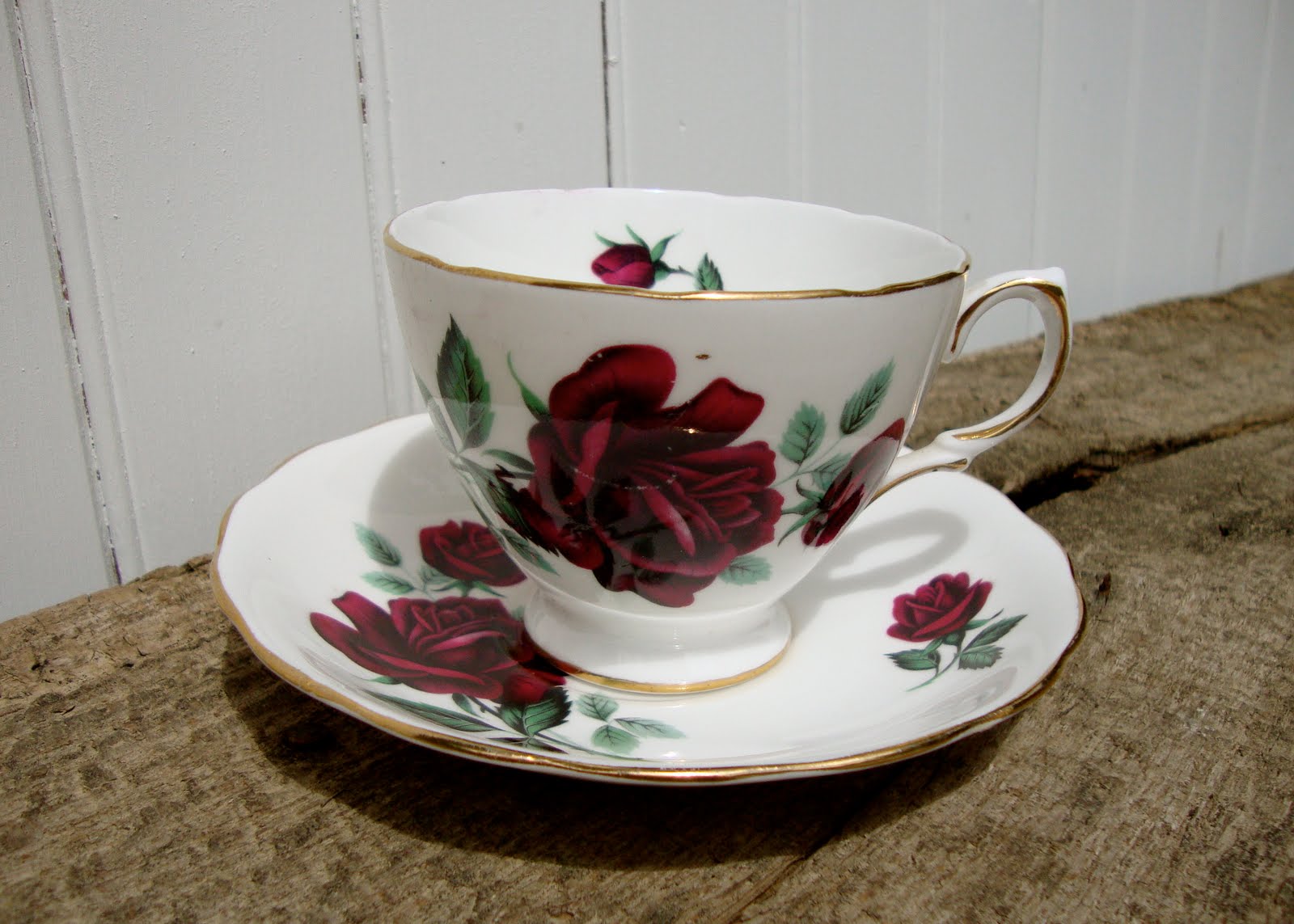
 Peyton and Byrne is a tea shop that has a number of branches which cleverly give you all the old fashioned virtues of a good cup of tea and fantastic cake with a freshened up contemporary brand. You can also have coffee there, if you must.


 It's hard not to be capitvated by the feel of linen, the way it falls and folds, it's durability, it's coolness and of course, over time it becomes softened and mellow. It's a timeless, classic fabric. White, of course, matches everything and nothing is more luxurious and relaxing to fall into on a hot day.